$20.00
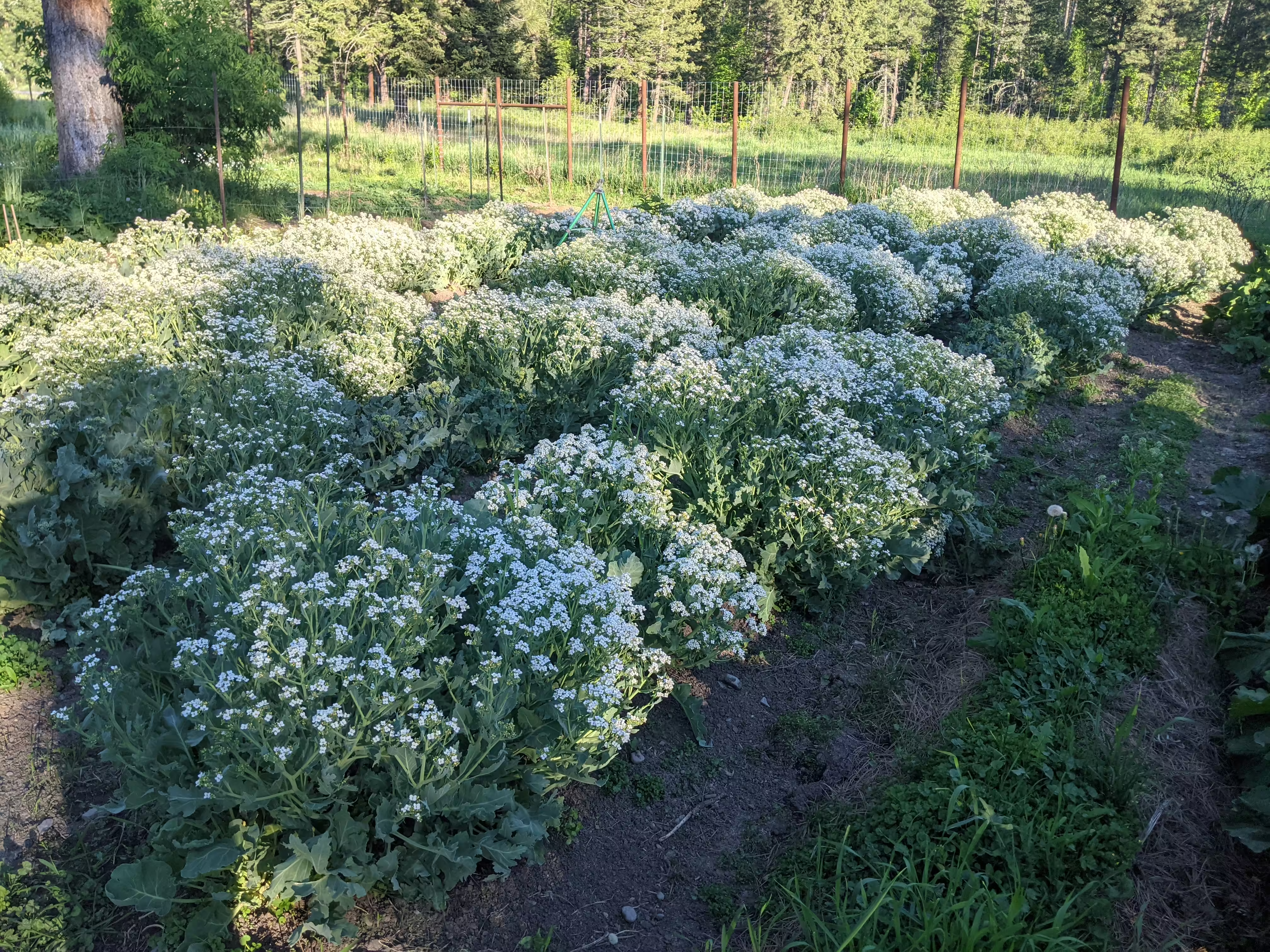
Beautiful, Fragrant, Delicious and low maintenance. Sea Kale is the gold standard for perennial vegetables. This once popular crop was famed in English gardens but has gone largely unnoticed in America. In Peter Henderson’s “Gardening for Profit”, published in 1867, Peter describes Sea Kale as a crop that is lacking the proper attention. Perhaps we are seeing a time when Sea Kale is finally getting the attention it deserves.
1 in stock
Crambe maritima
Sea Kale originates from the coasts of Europe where it grows in sprawling clumps along the shore. Because this plant evolved on Ocean shores it developed a handful of unique characteristics. One it is a halophyte, meaning it can grow in the presence of salt. This can inform our management because if we spread copious salt on our Sea Kale beds then we limit weed growth and improve the sea Kale’s flavor. The Ocean would periodically cover the plant in sand so it developed the capacity to make new shoots that could emerge with new growth.
This capacity lends itself to the use of blanching pots, thus producing a truly gourmet vegetable. This variety is a 3rd generation cross between multitudinous seed sources including J.L. Hudson, Chris Hominacs, William Whitson and some gardeners from England. The limiting factors on Sea Kale are its hardiness and bitter taste profile. This selection has two sub varieties with differing emergence times by about two weeks.
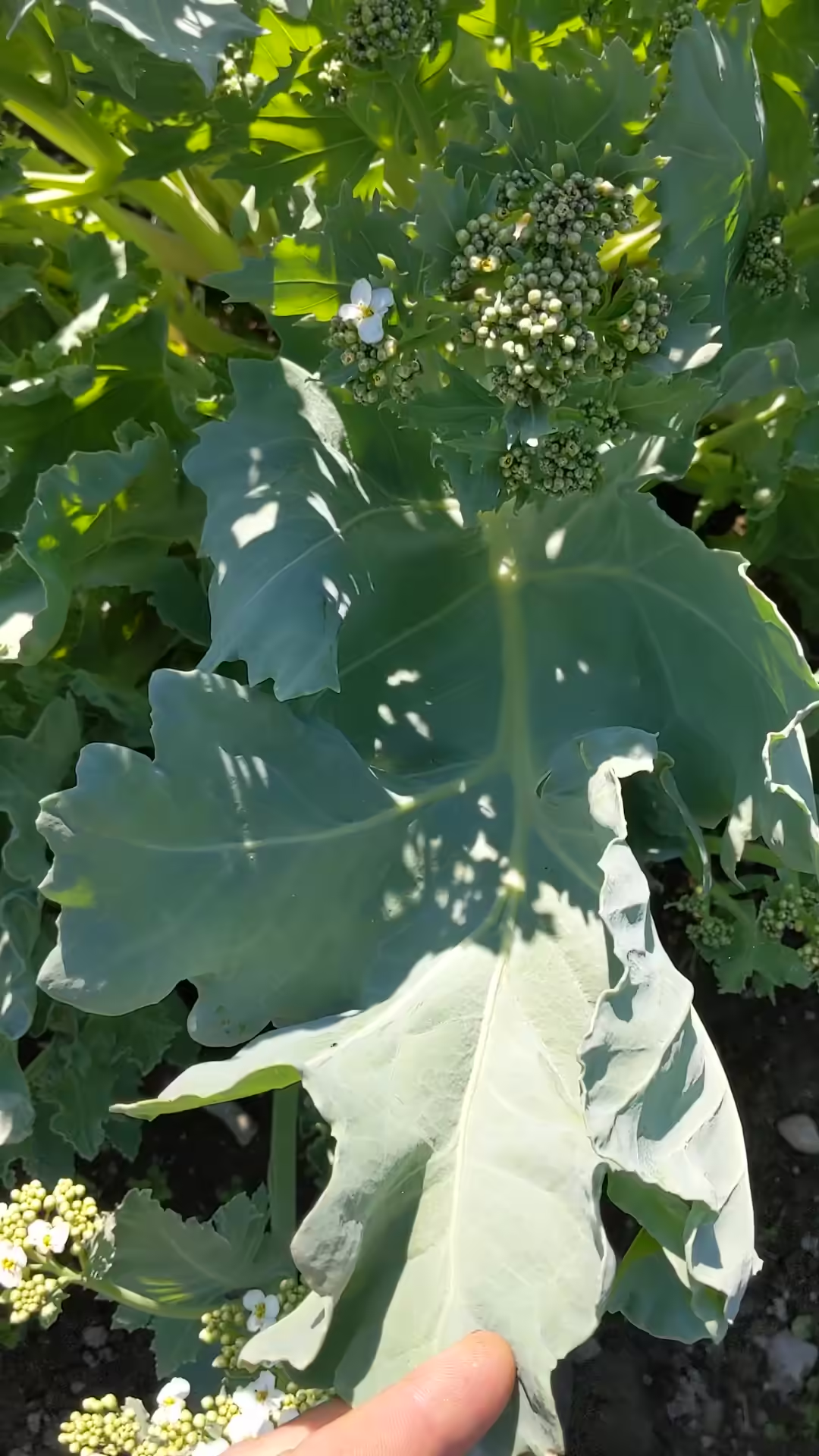
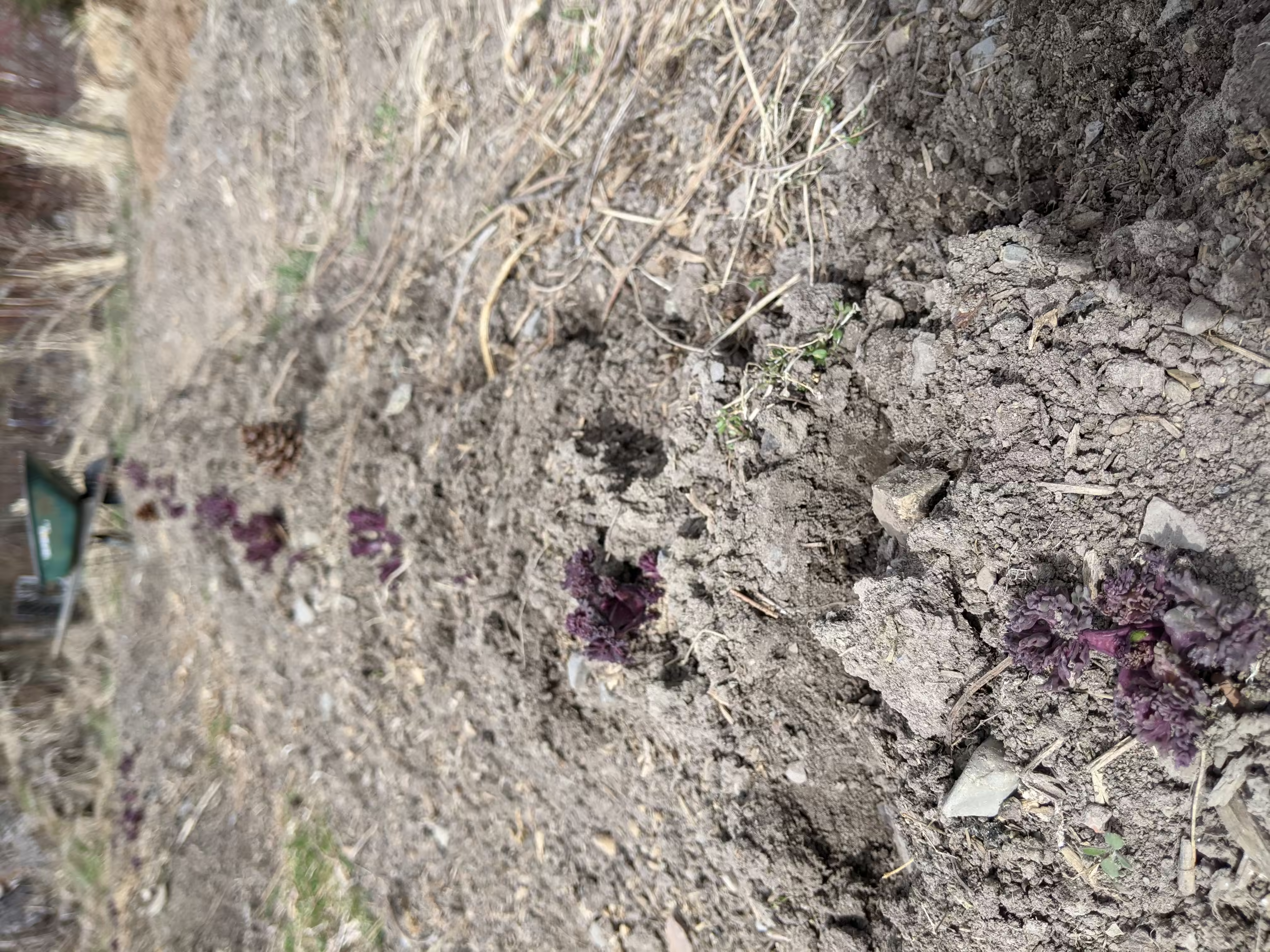
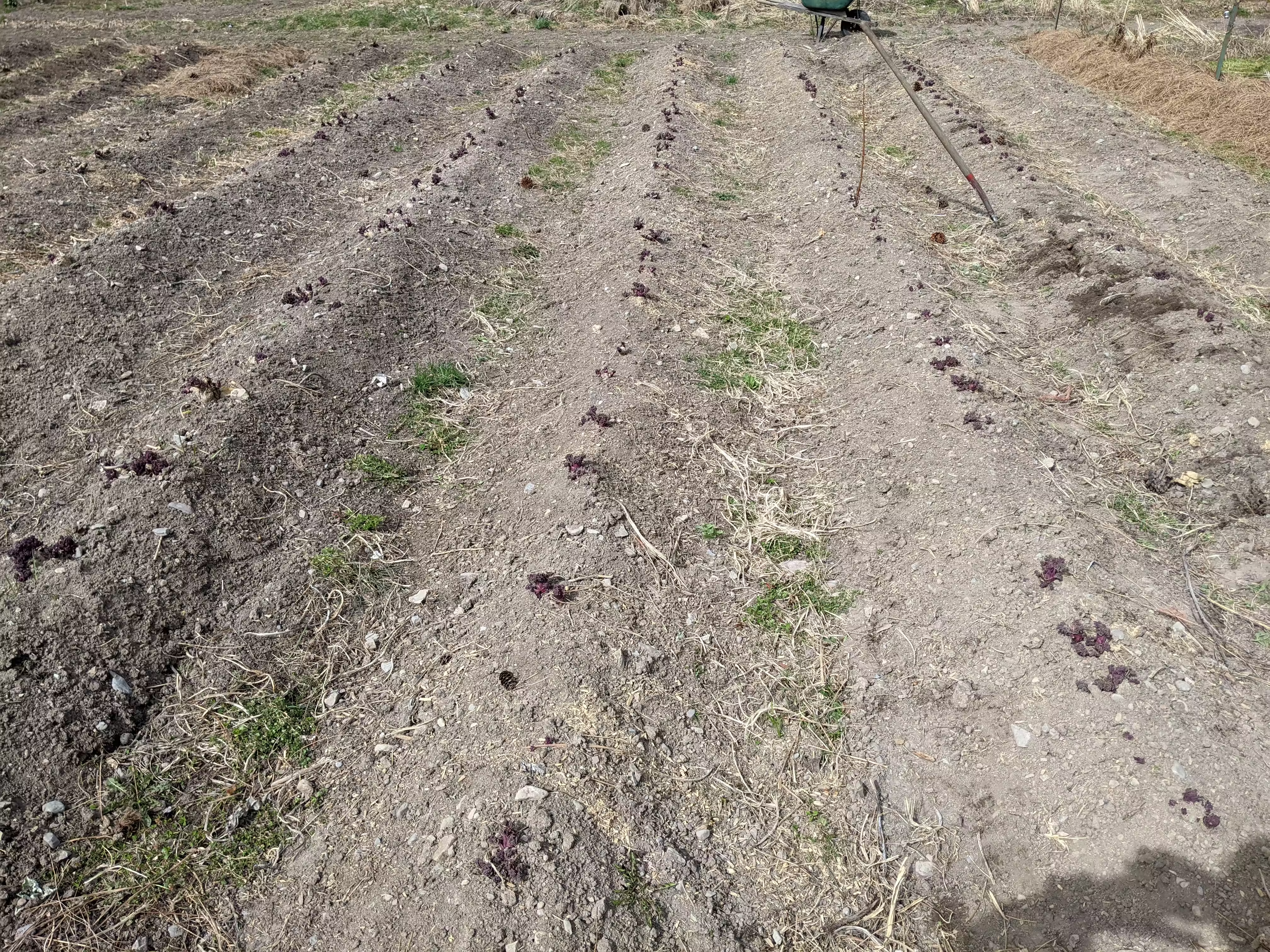
The earlier emerging sub-variety has purple buds and the late emerging variety has green buds. We have been selecting for plants with less powdery blue quality to the leaves because that seems to be directly related to their bitterness. These plants have been subjected to -10F in arid conditons. The survivors of these weather events are the parent plants for all subsequent cross breeding.
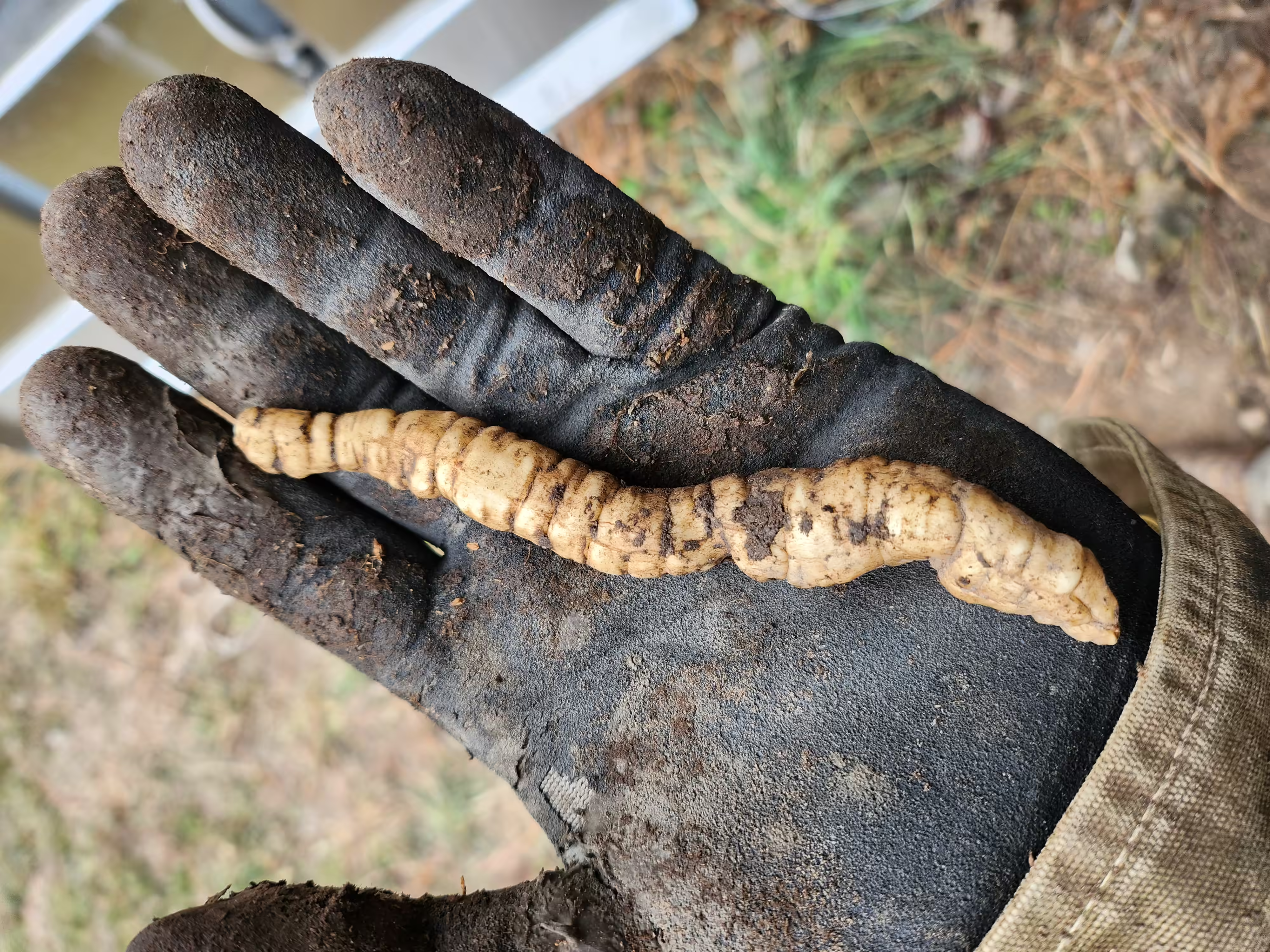
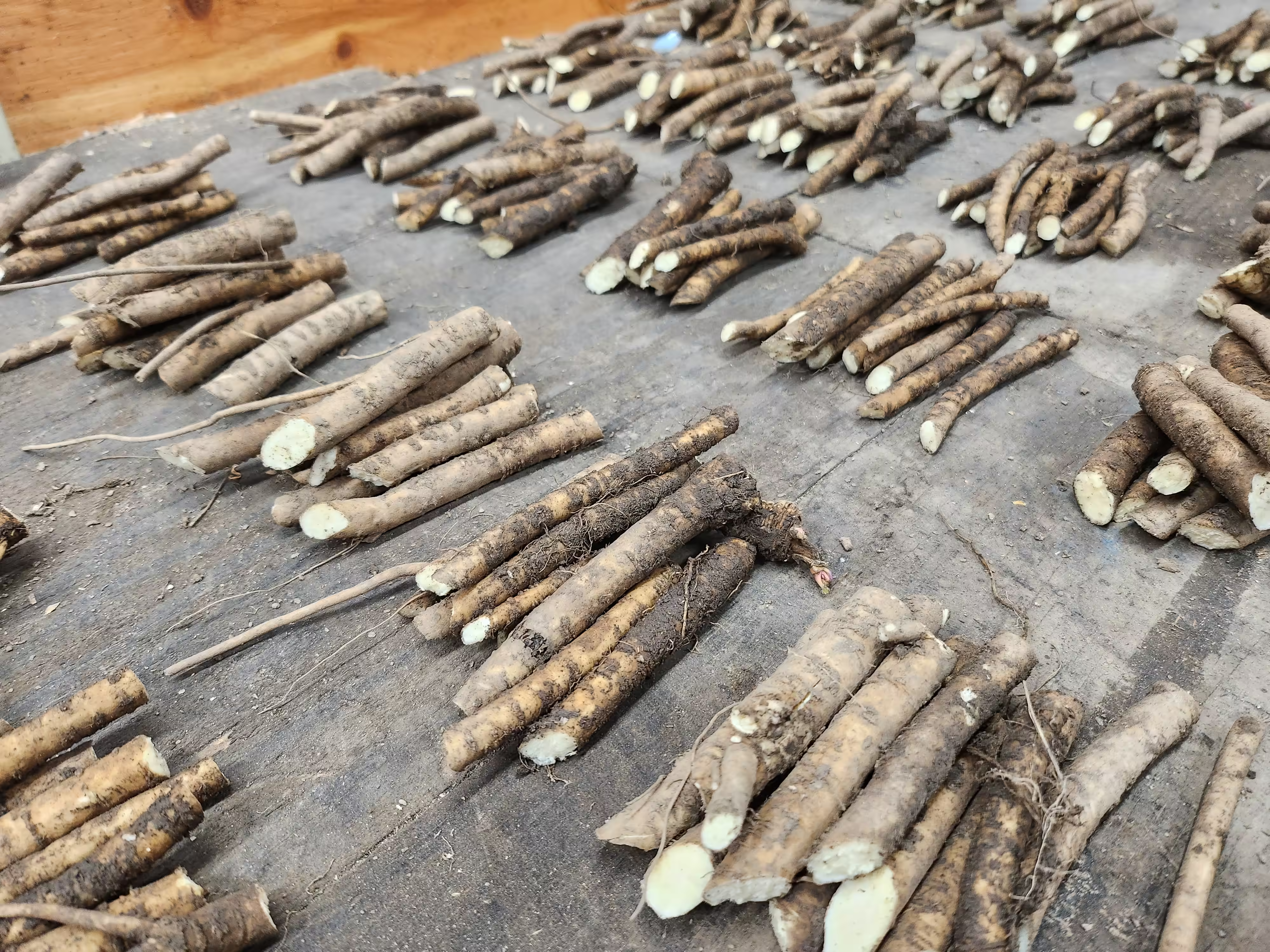
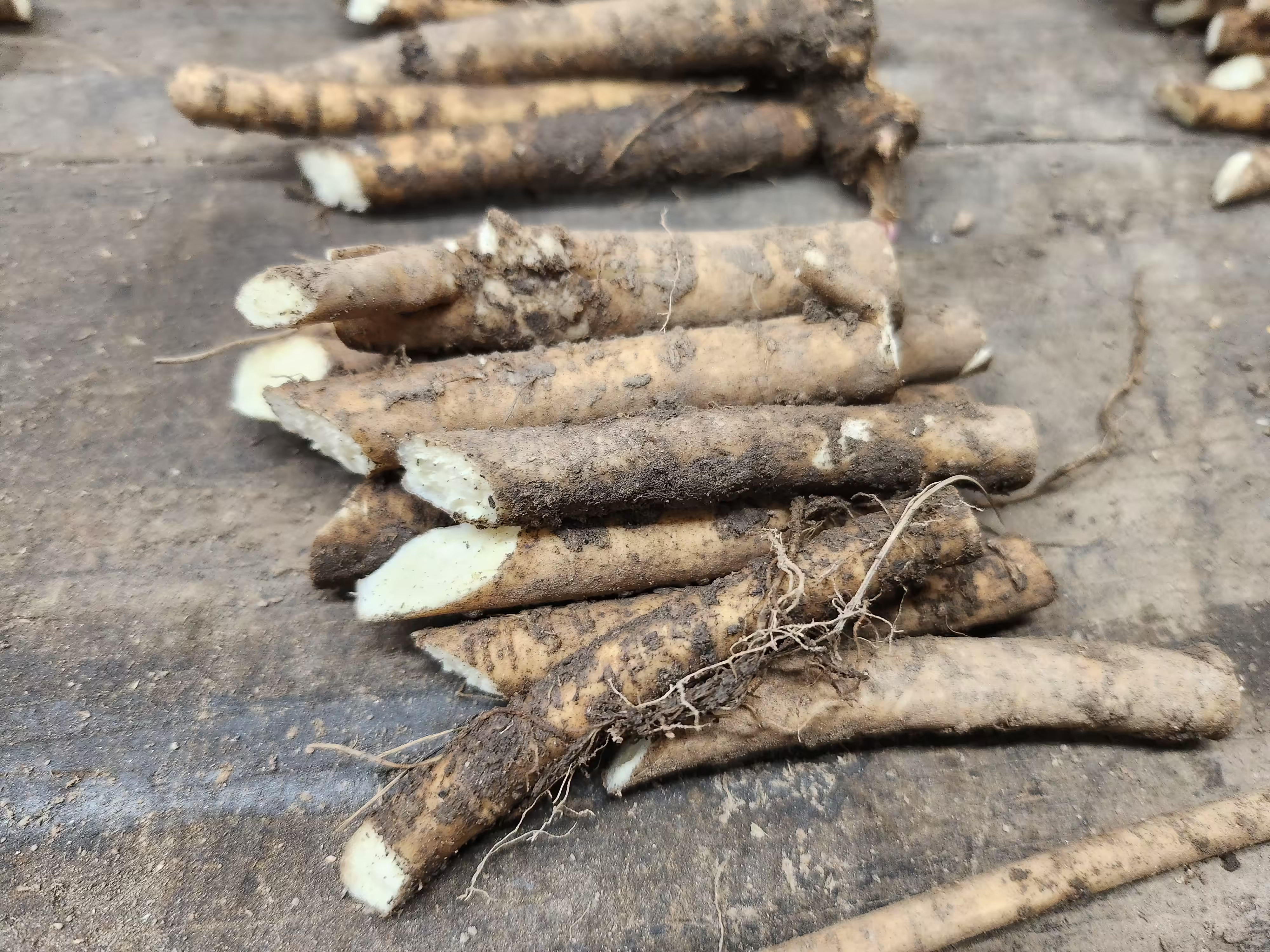
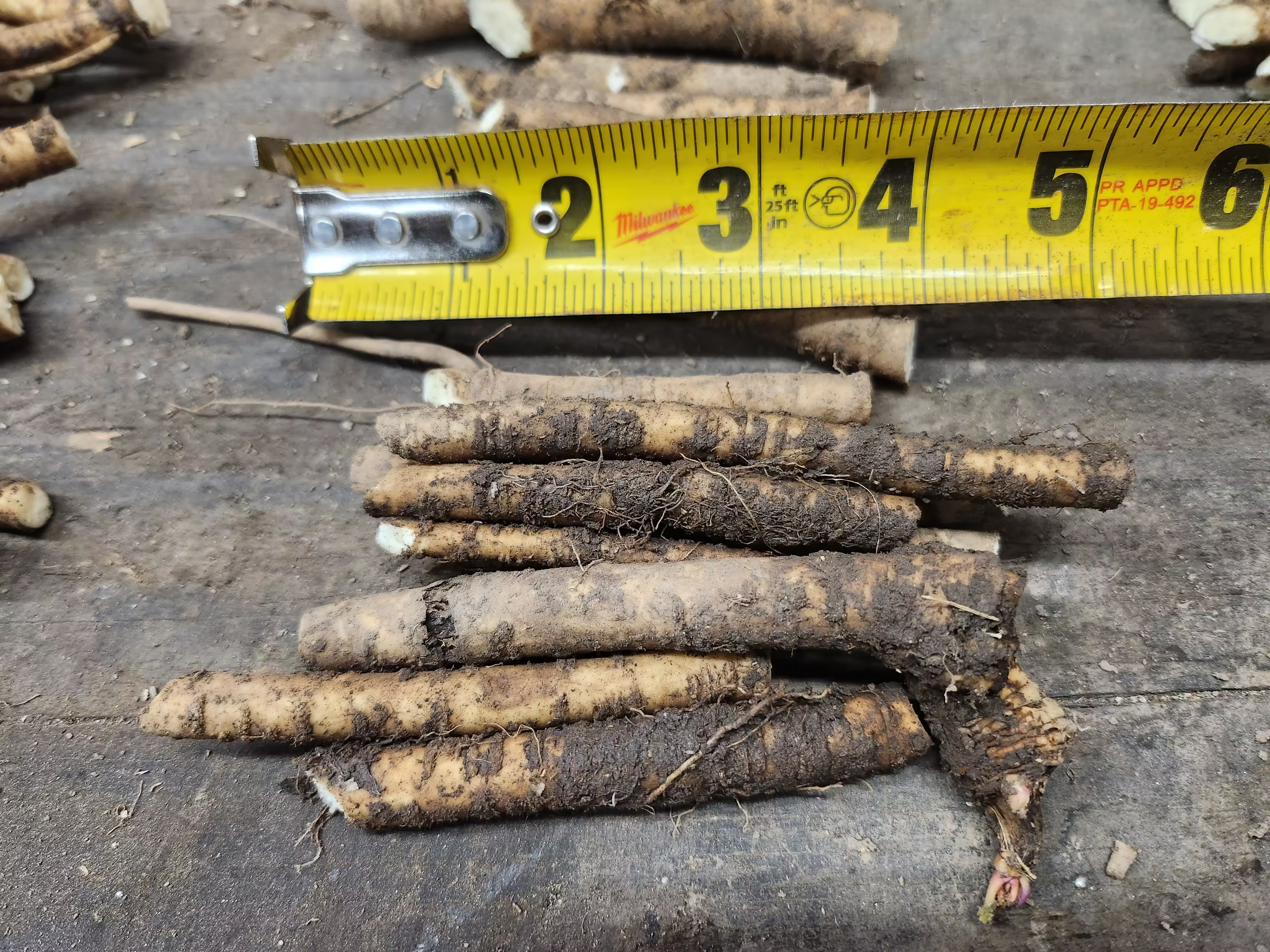
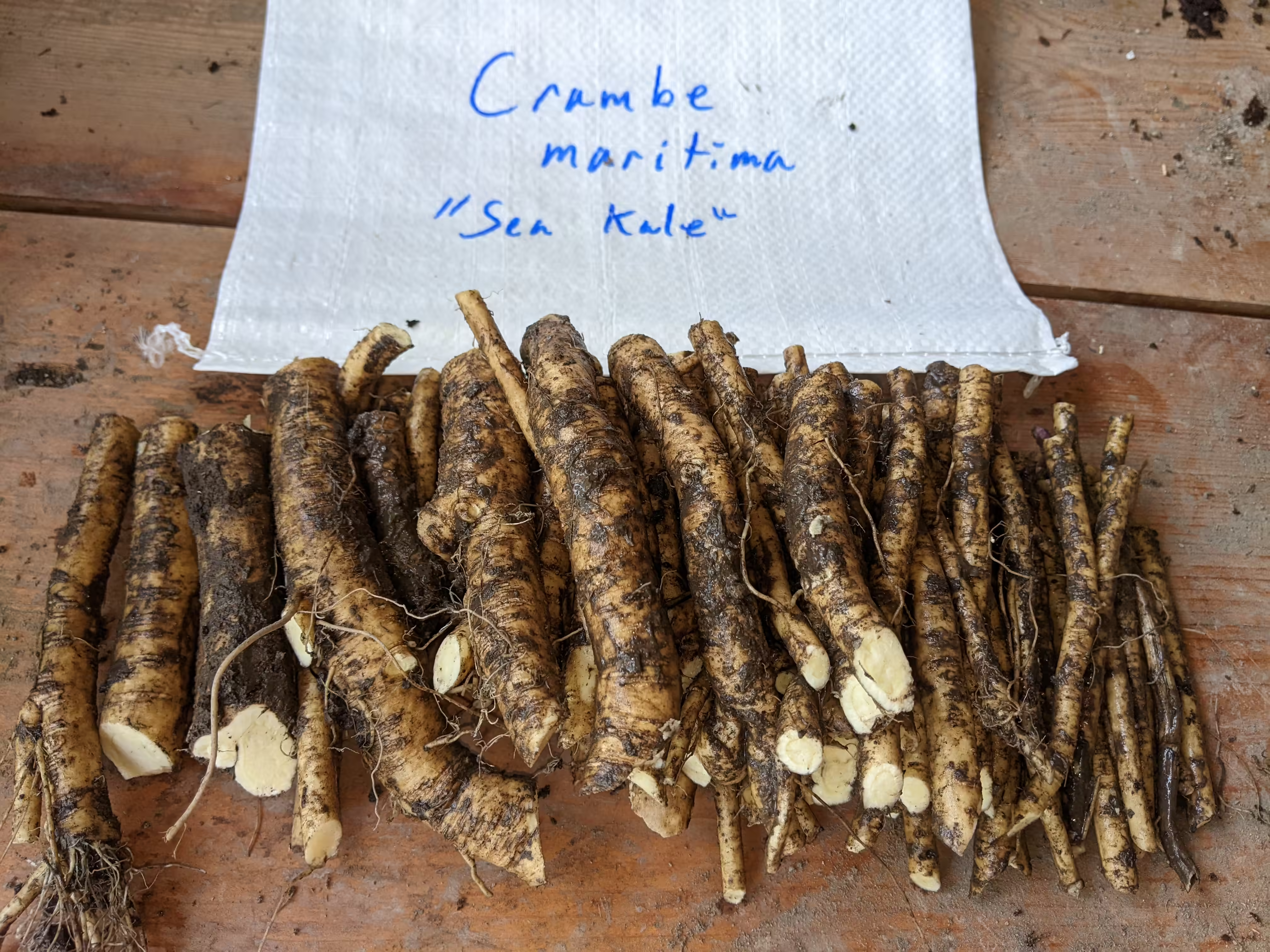
You can propagate Sea Kale via seed or root cuttings (Thongs) once established. Simply loosen the surrounding soil and lift the plant. Then take 4” cuttings of the root while paying meticulous attention to which part of the root was closest to the crown because that end of the cutting must be planted upwards at just below soil level. Give the plants 3 feet of space. Alternatively if you are only growing for shoots and florets you can plant them denser to improve yields but make sure to not let the flowerheads mature and branch out as they will crowd themselves and limit production.
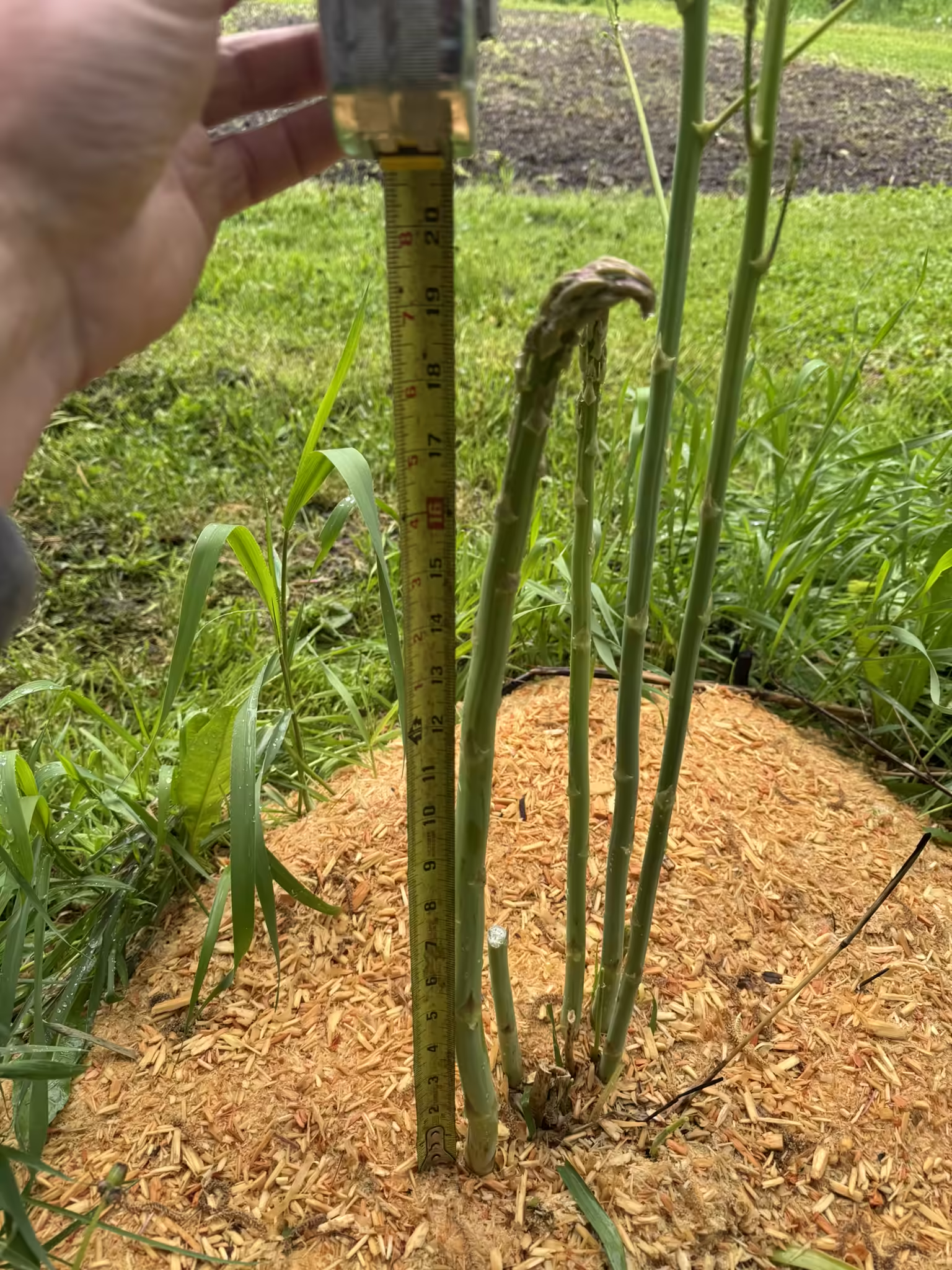
The seed pods are covered with a foamy pericarp that helps them to float to the next planting site, the resulting texture makes for a delightful crisp and crunchy garden snack much like a mustard flavored pea pod. This crop provides one of the first foods in spring and is like a mixture between bok choy and asparagus. Late spring it provides succulent Kale like leaves.
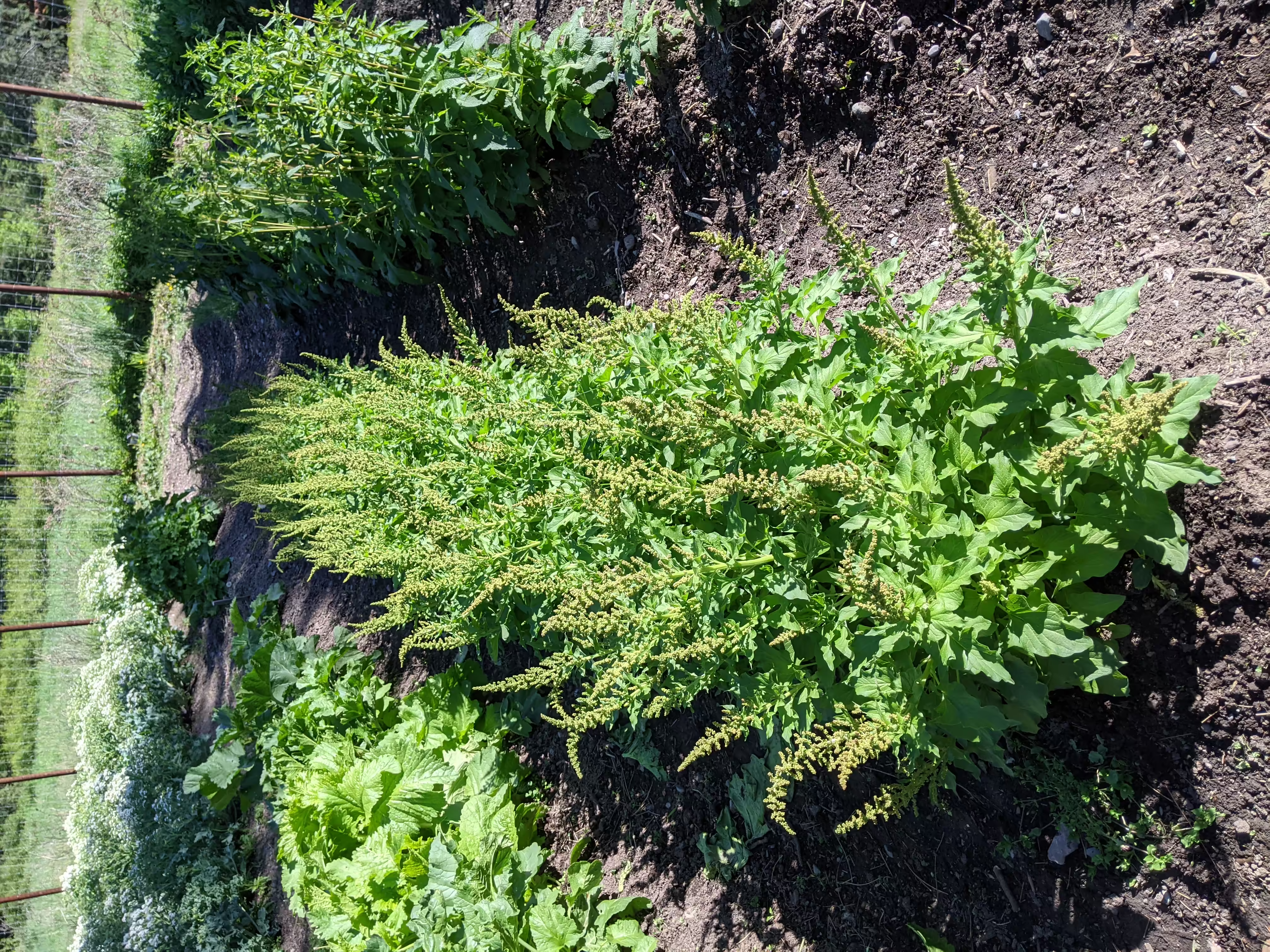
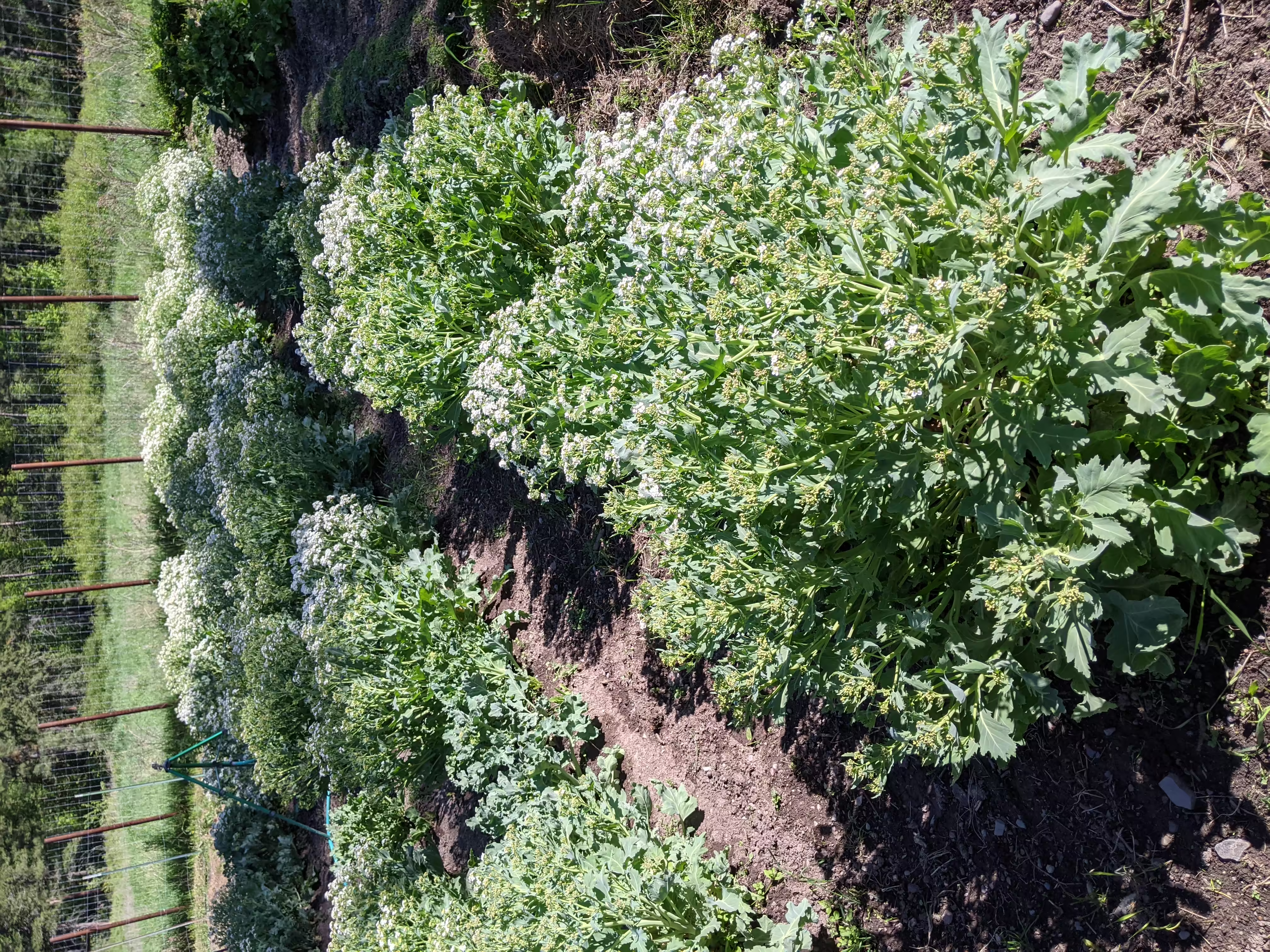
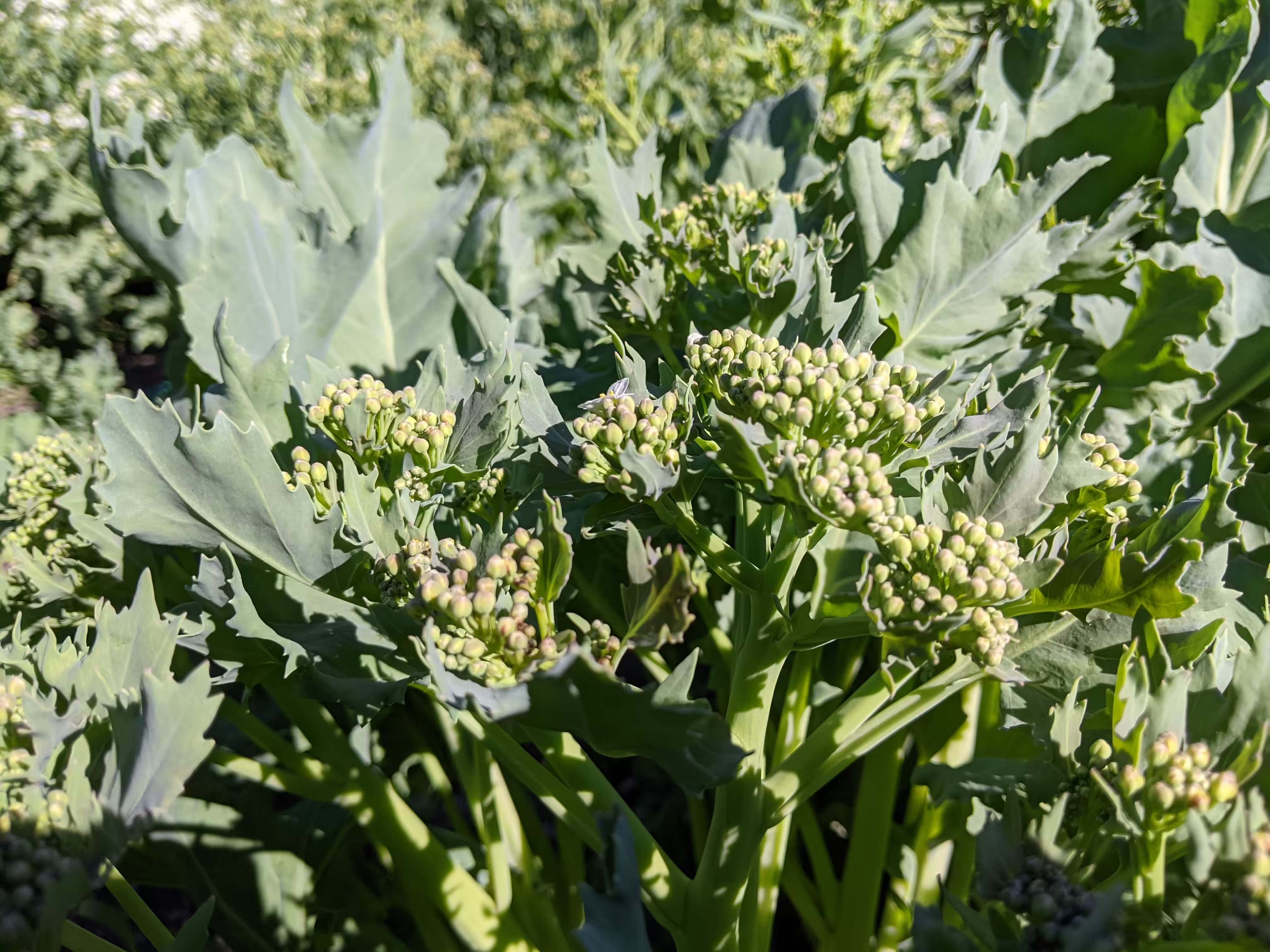
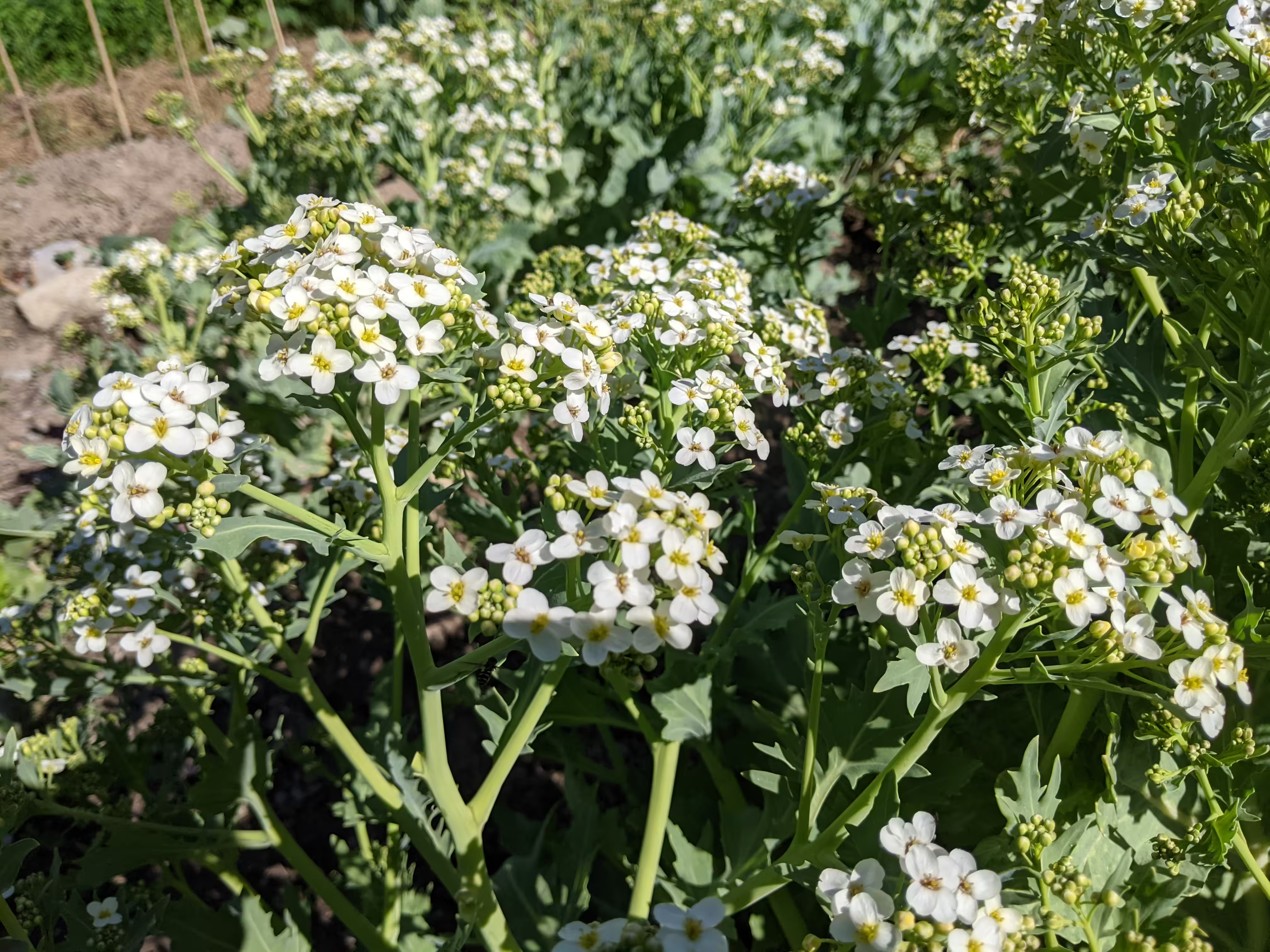
Next comes a profusion of succulent broccoli florets. These eventually turn into a sea of white flowers that delight pollinators and noses as it perfumes the air with its beeswax scented blooms. These edible flowers eventually turn into enjoyable caper-like seed pods that are a welcomed addition to any salad or pickled product.